

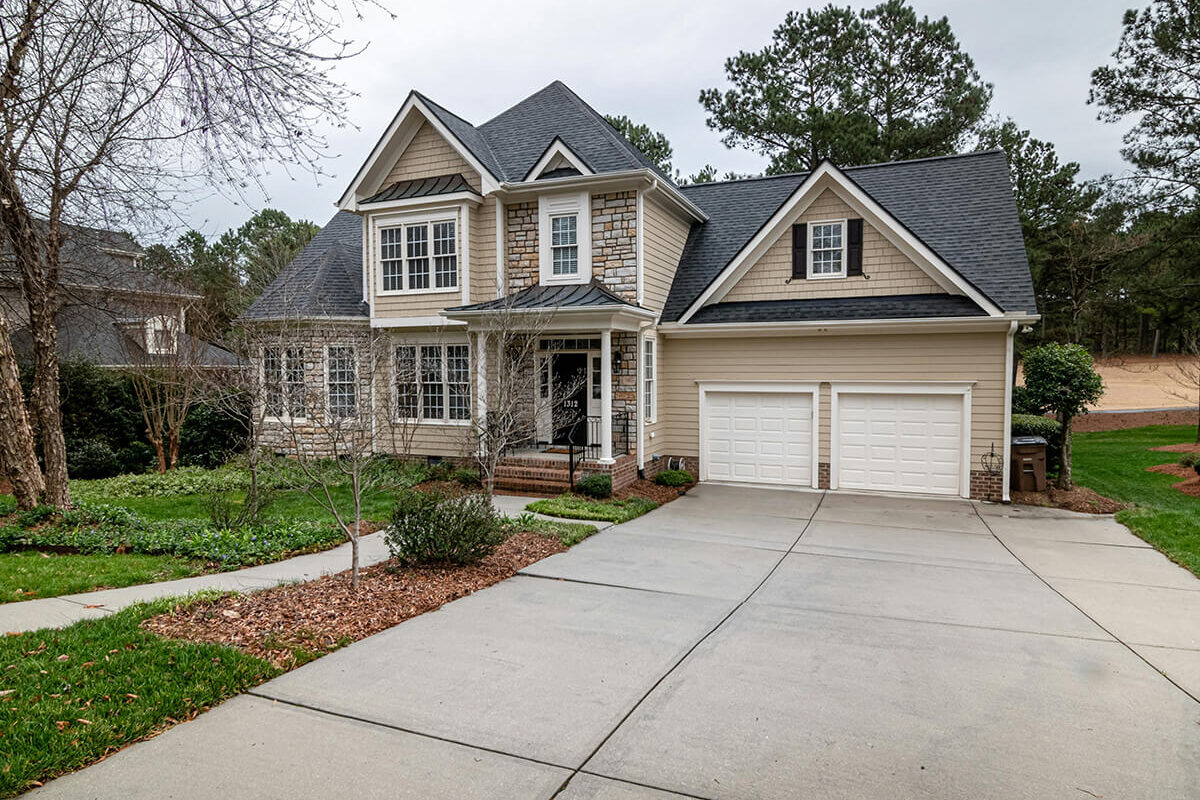
There comes a time in any house’s lifespan when a renovation becomes a necessity. But more than maintenance, that renovation is also an opportunity for improvement and renewal. It’s a chance to enhance curb appeal, improve your home’s energy efficiency, and create an outdoor space that truly reflects your style. However, the path getting there is filled with potential pitfalls that may mar the renovation process. Excitement can quickly curdle into frustration if you rush into the process unprepared.
Before the first pry bar is lifted or the first shovel hits the ground, crucial groundwork must be laid. Avoiding common, costly errors isn’t just about saving money; it’s about protecting your home (and your peace of mind while you’re at it). Here are the seven critical mistakes to avoid before you begin your exterior renovation.
1. Ignoring Local Bylaws and Permit Requirements
A foundational error is assuming you can simply start work. Practically every municipality in Canada has specific bylaws that govern exterior modifications. These rules dictate everything from the height of a fence (measured in metres), the style of a deck, or the required setback from your property line for a new addition. If your home is in a heritage conservation district, even your choices for materials, paint colours, and window styles may be severely restricted.
Ignoring these rules is a high-stakes gamble. A neighbour’s complaint or a drive-by inspection can result in a stop-work order, significant fines, and, in the worst-case scenario, a mandate to tear down the completed work and start over. Before you finalise any plans, do your research into what rights you have concerning home renovations to keep difficulties to a minimum. It’s also prudent to pay a visit to your local municipal planning or building department to understand exactly what is permitted.

2. Lacking a Detailed Budget and Contingency Fund
Starting a renovation with a vague budget is a recipe for financial stress. An “exterior reno” is not a single line item. It pays to know how to make a proper renovation budget to ensure every element of the project is accounted for. Every step of the project must be itemised, breaking down the costs for materials, labour, permits, and waste disposal.
More importantly, an exterior budget must also include a contingency fund. Unlike an interior project, the exterior of a home often hides its most expensive problems. You might pull off old siding only to discover extensive rot in the sheathing. You might excavate for a new patio and find serious drainage issues. These “unknowns” are almost guaranteed to appear. A contingency fund of 15% to 20% of your total budget isn’t optional; it is a mandatory part of the budget itself, ensuring that a surprise discovery doesn’t derail the entire project.
3. Hiring a Contractor Based Solely on the Lowest Bid
While tempting, automatically choosing the cheapest quote is one of the most dangerous mistakes a homeowner can make. A rock-bottom price is often a serious red flag, indicating that the contractor may be cutting corners, using substandard materials, or, most critically, lacking proper insurance.
A reputable contractor’s price includes the cost of skilled labour, quality materials, liability insurance, and WSIB (Workplace Safety and Insurance Board) coverage for their crew. If a bidder is significantly lower than the others, it may be because they are uninsured, which would leave you, the homeowner, liable for any accidents on your property. Finding a reputable contractor to assist with your external renovations isn’t just a matter of price, however. It’s also a matter of finding a contractor that brings experience to the job and collaborates with you to see your vision through. Rigorous vetting is essential to ensure the project runs smoothly. Ask for references, see their portfolio, confirm their insurance, and demand a detailed, written contract that outlines the scope of work, payment schedule, and timeline.
4. Focusing Entirely on Aesthetics Over Function
It’s easy to get lost in the exciting parts of a renovation, like choosing the perfect front door colour or the right kind of material for your home siding. But a beautiful facade is useless if the structures behind it are failing. A critical mistake is prioritising “beauty” over the “bones” of your home’s exterior.
The primary job of your home’s exterior is to function as a complete “building envelope”—it must keep water, air, and pests out, while keeping conditioned air in. Before you spend on decorative elements, you must assess and, if necessary, repair the functional components. This includes the roof, eavestroughs and drainage, window and door flashing, insulation, and foundation. Prioritise water management and structural integrity first; the aesthetic upgrades will then be a lasting investment rather than a temporary fix.
5. Neglecting a Cohesive Design Plan
Many exterior renovations fail the “curb appeal” test not because of a single bad choice, but because of many small, uncoordinated choices. A homeowner might choose new windows one year, a new front door the next, and new siding a year after that, all as separate decisions. This piecemeal approach often results in a disjointed, Frankensteinian look where proportions are off and styles clash.
Before you buy a single item, you need a unified vision. This plan should place all the elements (roofing material, siding colour and texture, trim, window style, lighting, and landscaping) at the centre of the decision-making process. Whether you create this plan yourself with mood boards and software or hire a professional designer, having a complete roadmap ensures all the parts will work together to create a harmonious and intentional final product.
6. Choosing Materials Unsuited for the Canadian Climate
The Canadian climate isn’t always gentle and easy on a home. From the heavy snow loads and deep freezes of winter (with metre upon metre of snow in some regions) to the intense UV radiation and humidity of summer, our weather puts materials under extreme stress. A common mistake is choosing a product based on its look or low price without considering its durability in your specific region.
The freeze-thaw cycle is particularly brutal, capable of cracking inferior masonry, warping low-quality decking, and causing paint to peel. When selecting materials, their performance specifications are paramount. Look for siding with high UV-resistance, roofing rated for the snow loads in your area, and composite or wood materials treated to resist moisture and warping. Investing in climate-appropriate materials from the start prevents premature failure and costly replacements down the line.
7. Underestimating the Timeline and Disruption
Finally, homeowners must be realistic about the two great truths of renovation: it will almost always take longer than you think, and it will be disruptive. Exterior work is entirely dependent on the weather. A week of solid rain or an unexpected cold snap can halt progress completely, throwing off the entire schedule.
Furthermore, the work itself is loud, messy, and invasive. There will be crews on your property, a large waste skip in your driveway, and constant noise. Access to your home may be restricted, and your yard will become a construction zone. Understanding and planning for this disruption is key to surviving the process. Build buffer time into your timeline and have a family plan for managing the noise and mess.
—
An exterior renovation is a complex, expensive, and rewarding venture. By doing your homework and taking care to avoid these common mistakes, you shift the odds in your favour. Thoughtful planning in budgeting, design, and vetting ensures your project will not only begin on solid ground but will result in a beautiful, functional, and valuable improvement to your home.
Finding the right partner to help with your home renovations can make all the difference for getting the results you want. Valiant Exteriors is here to offer quality work to help achieve your desired effect for your home’s exterior at an affordable price and with minimal fuss. Give us a call now at (403) 829-1661 and get a helping hand with making your home look all the more appealing.