

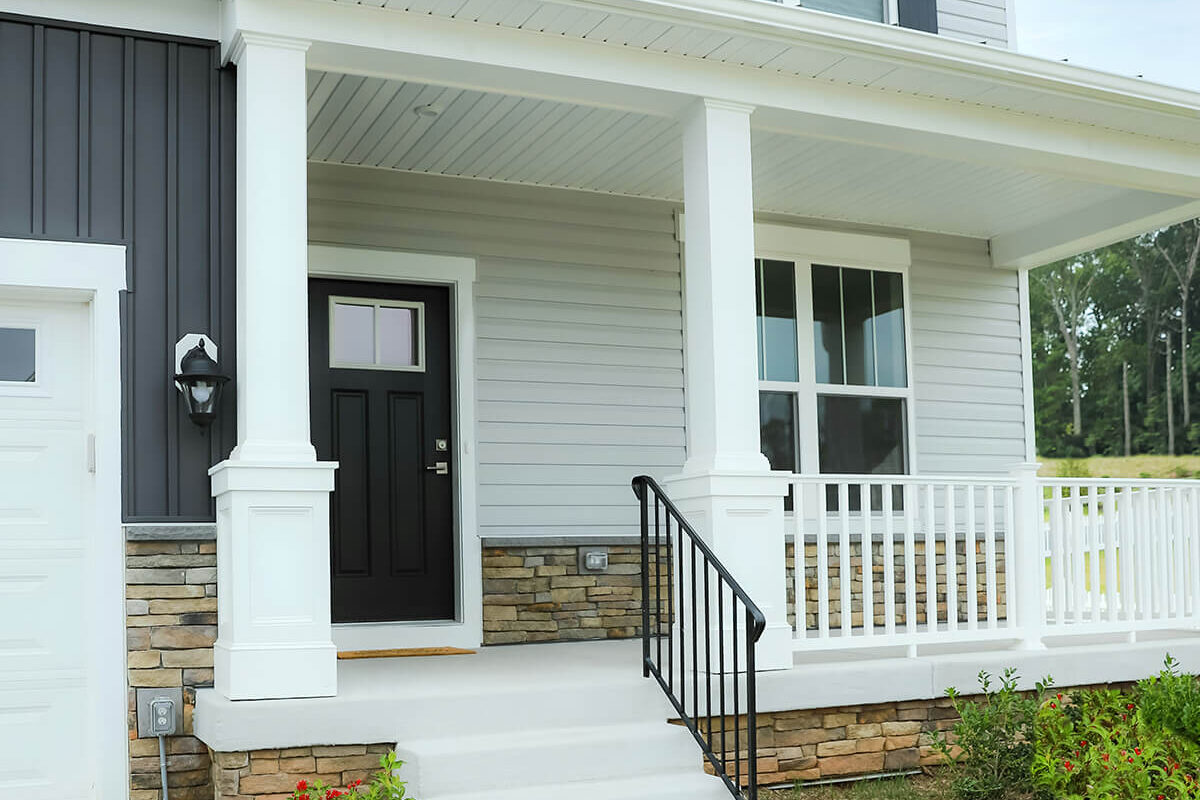
Practically everyone cares about making a good first impression; it sets the tone for new relationships and lets you start on the right foot. And it’s not just people who can make a good first impression, the same applies to houses as well. This initial impression, known as curb appeal, is a powerful blend of landscaping, architecture, and maintenance that broadcasts a message of pride and care in your home. However, creating that stunning exterior often comes up against the prospect of significant financial outlay. Carrying out a successful home renovation project requires accounting for delays and additional costs and necessitates a careful approach to your project before any work gets done.
The good news is that maximizing your home’s outward charm need not be an all-or-nothing financial drain. The secret lies not in the amount of money spent, but in the intelligence and strategy behind the spending. A well-considered budget is the most crucial tool in your renovation toolkit. It transforms a vague wish for a “nicer house” into an actionable plan, ensuring every dollar invested delivers the maximum visual impact. Here are 7 essential tips for budgeting your exterior remodel to achieve that sought-after curb appeal without financial regret.
1. Establish a Clear Vision and Prioritization Plan
Part of carrying out any successful home renovation project requires an understanding of the ins and outs of home renovations. One of the most crucial elements of which is developing a clear budget. Budgeting without a clear vision is like planning a trip without a destination. Start by standing across the street from your home with a notebook or camera and give your home a good long look. What is the overall aesthetic you wish to achieve? Are you aiming for a clean and modern look, a lush and traditional garden feel, or simply a tidy and well-maintained appearance?
Once you have a general aesthetic direction, get specific. Identify the elements that detract from this vision the most. Is it the peeling paint on the window trim? The cracked siding? The out-of-fashion design of the doors?
Create two lists: “Must-Haves” and “Nice-to-Haves.” The “Must-Haves” are the items that are either in disrepair or are the biggest visual offenders (such as cracked siding or damaged window frames). The “Nice-to-Haves” are the upgrades you would love to do if money allows (such as changing the siding style). This prioritization is the bedrock of your budget. It provides an immediate filter for every financial decision, ensuring your funds are first directed to the changes that will make the most significant difference to your home’s curb appeal.
2. Conduct a Detailed Needs Assessment
With your vision in place, the next step is to move from aesthetics to practicalities. A “needs assessment” goes deeper than the “Must-Have” list; it involves a thorough inspection of your home’s exterior to identify essential repairs. It makes no financial sense to budget for expensive new perennial gardens unless the eavestroughs are renovated for efficient rainwater management, or to install a beautiful new front door in a frame that has hidden wood rot.
Walk the perimeter of your property. Look for signs like cracked paving stones that pose a tripping hazard, peeling paint that is failing to protect the wood beneath, clogged eavestroughs, sections of loose siding, or any signs of water damage or decay. These functional repairs must be at the very top of your budget. While perhaps not as exciting as a purely cosmetic upgrade, budgeting for these necessities first is a preventative measure. It stops small, inexpensive problems from becoming large, catastrophic expenses down the line, thereby protecting your overall remodel investment.
3. Research Relentlessly and Create a Phased Approach
A budget built on guesswork is destined to fail. To create a realistic financial plan, you must arm yourself with information. Start by pricing out the materials you will need. How much does a quality litre of exterior paint cost? What is the price per square metre for the paving stones you admire? How much are new, stylish house numbers or a modern mailbox? Create a detailed spreadsheet itemizing these material costs.
For any job you plan to trust to contractors (such as painting the entire house, repairing a concrete walkway, or major landscaping) seek a minimum of three detailed quotes from reputable, insured contractors. This not only gives you a clear idea of the “going rate” but also helps you understand the full scope of what is included.
If the grand total from your research exceeds what you can comfortably spend at once, that still isn’t cause for discouragement. This is where a phased approach becomes your best budgeting strategy. Break the project into smaller, and more logical, sequential stages. Phase 1 might be a thorough cleaning, all necessary repairs, and painting the trim. Phase 2, perhaps next year, could be replacing the walkway. Phase 3 could be the new garden beds. This strategy turns an overwhelming one-time cost into a series of manageable mini-projects, giving you more financial freedom to approach them without getting overwhelmed.
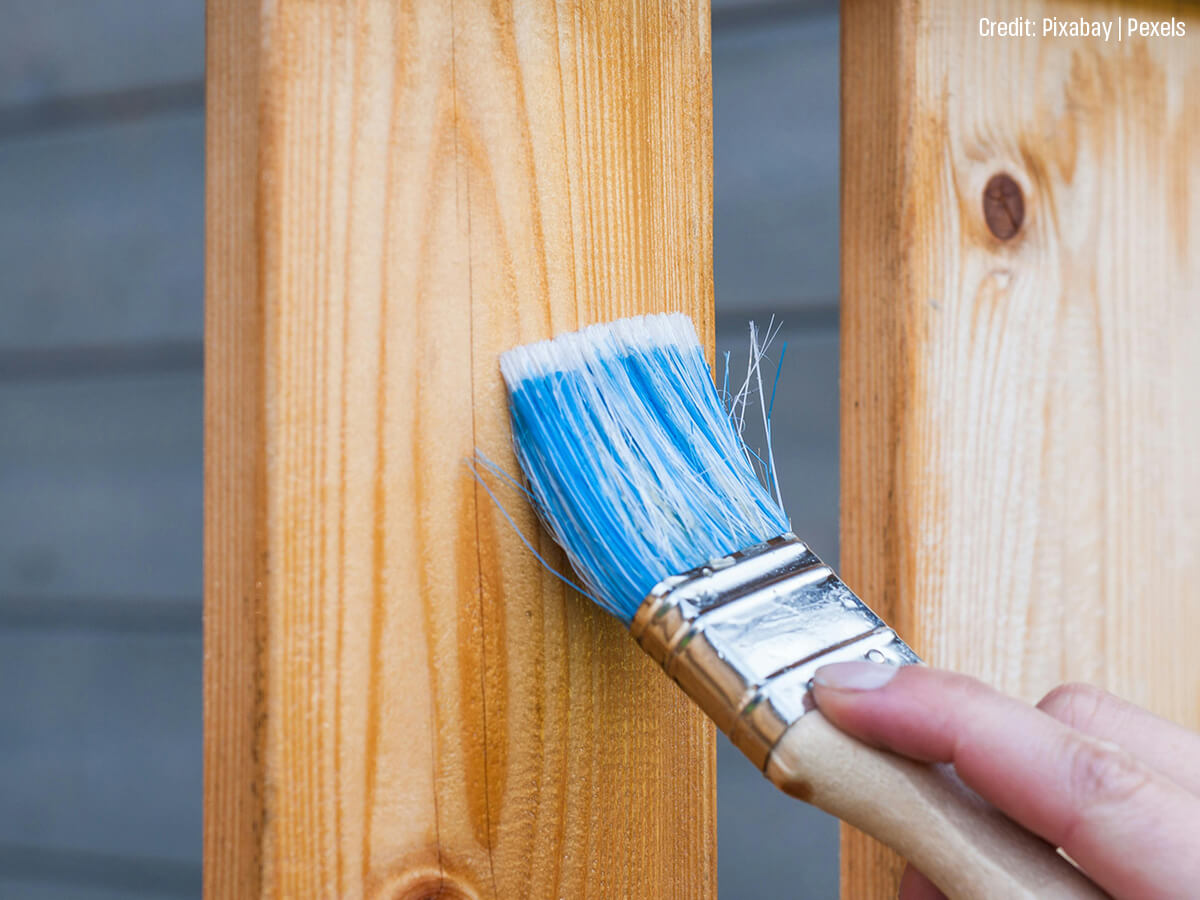
4. Honestly Evaluate “DIY vs. Professional” Labour
One of the most significant variables in any remodel budget is labour. The temptation to label everything as a “Do-It-Yourself” project to save money is strong, but it requires an honest and critical self-assessment. Be realistic about your skills, your available time, and your access to the proper tools.
Painting a front door or building simple planter boxes may be well within your capabilities. However, tasks that require specialized knowledge, such as repointing brickwork, significant electrical work for new lighting, or replacing a rotted window sill, are often best left to professionals. A poorly executed DIY job not only looks unprofessional, detracting from your curb appeal, but it can also cost significantly more to have a professional fix it later.
When budgeting, clearly designate which tasks are DIY and which are for a pro. For the professional jobs, your budget line item is the cost from your quotes. For DIY tasks, your budget must include the cost of all materials, tool rentals (like a pressure washer or a sod roller), and a realistic allowance for your own time. Sometimes, budgeting for a professional to do a job quickly and correctly is the most frugal choice in the long run.
5. Focus the Budget on High-Impact, Low-Cost Victories
Maximizing curb appeal on a budget is about strategic spending, not cutting costs. The key is to concentrate your funds on the areas that draw the most attention. The focal point of almost any house is its entryway. A guest or potential buyer’s eye is naturally drawn to the front door, the walkway, and the immediate surrounding area.
For instance, instead of budgeting to replace a perfectly functional (if drab) garage door, consider budgeting for a high-quality paint kit designed for garage doors and a set of updated, modern hardware. Rather than planning a complex and expensive garden across your entire front lawn, focus your landscaping budget on creating two large, dramatic planters to flank the entrance and investing in sharp, clean edging for existing garden beds.
Other high-impact, low-cost upgrades to budget for include a new, stylish light fixture by the door, bold and visible house numbers that match your home’s character, a new mailbox, and a high-quality welcome mat. These small, relatively inexpensive changes create a powerful, coordinated statement that signals care and attention to detail.
6. Budget for the Power of Paint and a Pressure Wash
Never underestimate the transformative power of clean surfaces and fresh paint. These are, without question, the simplest ways to dramatically improve curb appeal. Before you budget for any new construction or expensive replacements, first budget for a deep clean.
Dirt, algae, and mildew can make a house look decades older and in poorer condition than it truly is. A weekend rental of a high-powered pressure washer can strip away years of grime from siding, walkways, driveways, and fences, revealing the true colour and condition underneath. You may find that the siding you planned to replace just needed a thorough cleaning.
Following the clean, paint is your best friend; make sure you know how to paint various elements of your home to make the work flow more smoothly. A front door painted in a bold, complementary colour offers the single biggest return on investment. Budgeting for a few litres of premium exterior paint to refresh window trim, shutters, and porch railings can make the entire home look sharper and more cohesive. This approach allows you to achieve a “like-new” finish for a fraction of the cost of replacement.

7. Build in a Non-Negotiable Contingency Fund
This is arguably the most critical component of any successful renovation budget. When dealing with exteriors, you are inevitably dealing with the unknown. You do not know what you will find when you pull off that piece of old trim, start digging for a new garden bed, or remove old, cracked patio stones. Hidden water damage, pest problems, or unexpected soil issues are common.
A contingency fund is your financial buffer for these surprises. A standard rule is to set aside 15% to 20% of your total estimated project cost for this fund. For example, if your planned remodel budgets out to $5,000, you should have an additional $750 to $1,000 set aside before you begin.
This money is not a “slush fund” for adding items from your “Nice-to-Have” list. It is an insurance policy against the unexpected and so counts as a non-negotiable element of the budget. If a necessary but unforeseen repair emerges, you can cover it without having to compromise on the quality of your planned upgrades or, worse, going into debt. If you are lucky and complete the project without touching the fund, you can simply save it or choose to splurge on one of those “nice-to-have” items at the very end.
—
Maximizing your home’s curb appeal is not a game of high-stakes spending but one of careful planning, thoughtful prioritization, and patient execution. A stunning exterior that welcomes you home and fills your neighbourhood with pride is absolutely within reach, regardless of your budget. By establishing a clear vision, you can navigate your exterior remodel with confidence. A beautiful home front is, ultimately, the result of smart decisions, and not necessarily deep pockets.
Finding the right partner is paramount when doing work on your home. Valiant Exteriors is here to be your partner in renovating and upgrading your home exteriors. We provide reliable service at affordable rates to ensure your home looks appealing without breaking the bank. Call us now at (403) 829-1661 and get the helping hand you need to boost your curb appeal.