

Siding plays a critical role in shielding your home from rain, snow, and wind. It also helps maintain indoor temperature, keeps pests out, and contributes to your home’s appearance. When siding begins to break down, it can quietly cause damage long before problems show up inside.
Small surface flaws can turn into bigger issues if they’re ignored. Homeowners may not always recognize these red flags, especially when changes appear slowly. Knowing what to look for helps you act early—before the damage spreads to your walls, insulation, or structure.
Why Siding Replacement Matters
Siding protects your home by acting as a barrier between your interior and the elements. When this barrier is damaged, water and wind can seep through, causing internal damage. Ignoring early signs can lead to widespread issues such as rotting walls, insulation failure, or pest infestations.
Siding also affects your home’s energy efficiency. If it’s no longer sealed tightly, your heating and cooling systems will need to work harder. This leads to higher monthly utility bills, uneven indoor temperatures, and a reduced lifespan of your HVAC system.
Curb appeal is another important factor. Faded, damaged, or outdated siding can reduce your home’s value, making it less attractive to buyers. Replacing old siding with updated materials can refresh your home’s look, increase its value, and improve its durability.
Visual Signs Your Siding Needs Replacement
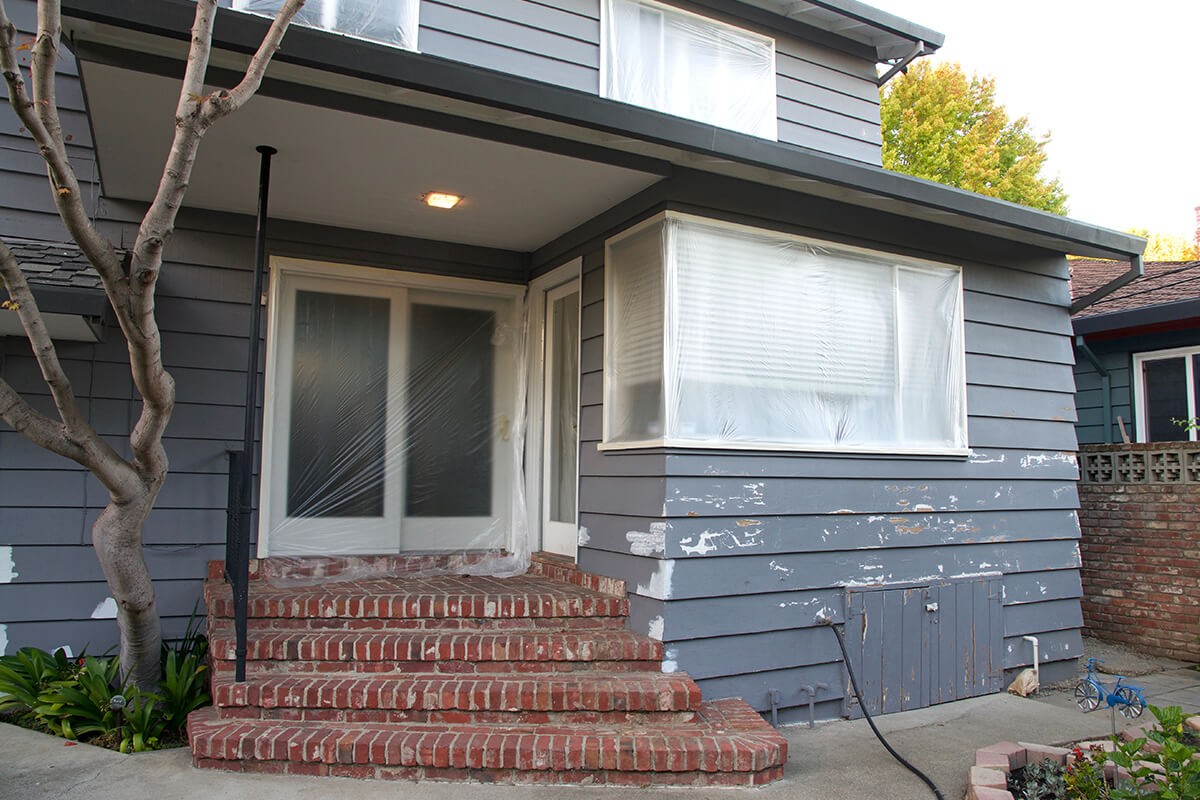
Some of the first signs that siding needs attention are visible. Catching these signs early can help you take action before more serious structural damage occurs.
- Cracks, Warping, or Bulging
These are among the most obvious signs of failing siding. Cracks may start small, often near joints or corners, but they can grow over time. Once cracks appear, they allow water to penetrate and affect the material beneath the siding. Warping or bulging indicates that moisture has already entered, causing the siding to lift or swell.
This distortion not only ruins the look of your exterior but can also signal that insulation or sheathing underneath is damaged. If left untreated, it can lead to rot in wooden structures or even affect your home’s framing.
- Fading or Discolouration
Most siding fades gradually due to sun exposure. However, when fading happens unevenly or rapidly, it may mean the siding has lost its protective coating. This reduces its ability to block UV rays and moisture.
Discolouration can also point to mildew, algae, or water retention issues. In vinyl siding, for example, dark streaks or blotches often appear near seams or gutters—places where water collects. When siding loses its colour quickly, that’s a sign the material may be deteriorating faster than expected.
- Rotting or Soft Spots
Rot is a silent destroyer, especially in wood-based siding. You might see flaking paint, mushy texture, or even crumbling wood along the edges. This happens when water gets in and stays trapped, creating the perfect conditions for decay.
If you push on the siding and it feels soft, that’s a red flag. The damage could already be deep beneath the surface, affecting your home’s structural integrity. This problem will not go away on its own and typically spreads if not addressed.
- Peeling Paint or Loose Wallpaper Indoors
When siding lets moisture in, it affects the inside of your home too. If you see peeling paint, bubbling wallpaper, or water stains on interior walls, moisture is likely getting through the siding and into the walls.
This may seem like a minor cosmetic issue at first, but it often points to more serious water damage inside your walls. These indoor signs shouldn’t be ignored—they’re often the first clue that your siding is no longer effective.
Functional Red Flags That Call for New Siding
Not all siding issues can be seen on the outside. Some problems show up in how your home performs. These warning signs can help you determine whether the siding is still doing its job.
- Increased Heating or Cooling Costs
If your energy bills are going up without any other changes in your home, the siding could be to blame. When siding loses its sealing power, drafts and temperature changes follow. You may feel colder near exterior walls during winter or hotter during summer.
This loss of efficiency makes your HVAC system work harder, increasing your energy use. Replacing old siding with modern, insulated options can help reduce heat loss and improve indoor comfort.
- Frequent Need for Repainting
High-quality siding should hold paint or finishes for up to a decade. If you’re repainting every few years, it’s likely because the siding material is breaking down and no longer bonding with the paint.
This is especially true for wood siding, which can become too porous as it ages. Paint peels faster, cracks appear more often, and moisture settles in. When maintenance becomes frequent and expensive, replacement is a smarter long-term solution.
- Mould, Mildew, or Fungus Growth
Mould and mildew grow where there’s moisture. If you notice green, black, or brown patches near seams, under eaves, or at the base of your siding, there’s likely a water retention problem.
Sometimes the growth is visible, and sometimes it creates a musty smell outside or near windows. These organisms not only damage the siding but can also affect the air quality inside your home. New siding with better drainage and resistance can stop these problems from recurring.
Structural and Safety Concerns
Beyond surface issues, damaged siding can affect your home’s structure and safety. These are the kinds of problems that need urgent attention.
- Pest Infestation
Holes and gaps in siding are open invitations for pests. Insects like carpenter ants, termites, and wasps can get in through damaged siding. Rodents can also squeeze into even small cracks to nest behind walls.
You might not see them right away, but signs like sawdust piles, droppings, or chewed insulation can confirm their presence. New siding not only removes these entry points but also creates a tighter seal that keeps pests out for good.
- Water Stains or Interior Wall Damage
Moisture can travel a long way inside your home before showing itself. If you notice brown water stains, peeling drywall, or even sagging ceilings, it may have entered through damaged siding.
This kind of water damage often means the insulation is saturated or that wood framing is starting to rot. Once water gets past the siding, it compromises everything in its path. Replacing the siding is the first step toward restoring your home’s structure.
- Loose or Missing Panels
Siding should remain firmly attached through all seasons. If panels are flapping in the wind or have fallen off during a storm, that shows the attachment points are failing.
Even if you patch or reattach panels, this won’t solve the core issue if the rest of the siding is brittle or warped. Modern siding materials offer better durability and resistance to high winds, making full replacement a better option in these cases.
Age and Material Longevity
Siding doesn’t last forever, and each type has a general lifespan. Knowing how old your siding is can help you decide when to replace it—even if no major damage is visible yet.
- Know the Lifespan of Your Siding Type
Different materials break down at different rates. Vinyl siding can last 20 to 40 years, depending on quality and maintenance. Wood lasts 15 to 30 years but requires regular sealing and upkeep. Fibre cement offers up to 50 years of durability, and aluminium can last just as long but may dent easily.
If your siding is over 20 years old, it’s smart to schedule a professional inspection. Even if it still looks okay, hidden wear and insulation loss could already be happening.
- Outdated Siding That Doesn’t Meet Today’s Standards
Older homes may still have siding materials that are no longer used due to safety or performance issues. For example, asbestos siding was popular in the mid-1900s but is now a health hazard. Others may lack insulation or moisture protection.
Upgrading to today’s options not only improves energy performance but also ensures your home meets current safety and code standards. Newer products also come in more styles, colours, and textures—adding function and style in one step.
When to Call a Professional for an Inspection
You can spot surface issues yourself, but only a contractor can uncover what’s happening behind the siding. A professional will check for things like trapped moisture, rot, and wall damage you might miss.
They use tools like moisture readers, thermal cameras, and experience to assess the siding’s performance. If multiple signs from this list apply to your home, it’s time to call in a pro in exterior renovations. An early inspection can help you plan your replacement, avoid emergencies, and possibly save money.
Upgrade Your Exterior with Valiant Exteriors – Trusted Siding Contractors in Calgary
If your siding is showing signs of wear, don’t let small issues turn into big repairs. Valiant Exteriors, trusted siding contractors in Calgary, are here to help with expert siding assessments and top-tier installation services. We work with premium materials designed to withstand Alberta’s extreme climate while improving your home’s efficiency and appearance.
Call now at 403 829-1661 to book a siding evaluation and protect your home with siding that lasts.
Frequently Asked Questions
- How long does it take to replace siding on a house?
Most siding replacement projects take about 1 to 2 weeks, depending on the size of your home and the weather. Delays may happen if repairs are needed under the old siding.
- Will new siding help with soundproofing?
Yes, replacing your siding can reduce outdoor noise—especially if new insulation is added. It helps create a quieter indoor space.
- Can siding be installed over existing siding?
Sometimes, but it depends on the condition of the current siding and local building codes. In most cases, removing the old siding is recommended for better results.