


Gutters play a simple but crucial role in protecting your home from water damage. They carry rainwater away from the roof, walls, and foundation to prevent structural issues. When they stop working properly, problems like leaks, rot, or foundation cracks can occur. Timely gutter repair ensures your home stays safe and your gutter system works as it should.
Why You Should Never Ignore Gutter Issues
Gutters protect your home by directing rainwater away from vulnerable areas. Ignoring gutter problems can lead to serious damage that’s expensive to fix. Knowing common issues and addressing them early saves you money and stress in the long run.
- Roof Leaks
Clogged or damaged gutters cause water to back up onto the roof, leading to leaks. These leaks can damage your roofing materials and cause water stains inside your home. Repairing gutters promptly prevents water from seeping into your living spaces.
- Mould Growth
When gutters overflow or leak, water can collect near walls and foundations, creating damp areas. Moist environments encourage mould growth, which can affect your home’s air quality and cause health problems. Fixing gutter issues stops water buildup and helps keep your home dry and healthy.
- Foundation Damage
Water pooling near your home’s foundation can cause soil erosion and cracks over time. This weakens the foundation, leading to costly structural repairs. Proper gutter repair directs water away from your foundation, protecting your home’s stability.
- Damaged Siding and Paint
Overflowing gutters cause water to spill onto your home’s siding, which can lead to rot and peeling paint. This not only affects the appearance but also the integrity of your exterior walls. Keeping gutters in good repair prevents unnecessary damage to your home’s façade.
- Landscape Erosion
Improperly functioning gutters can send heavy water flows into your garden or yard, washing away soil and plants. This damages your landscaping and may require expensive restoration. Maintaining gutters ensures water is properly directed away, preserving your outdoor spaces.
10 Top Most Common Gutter Problems that Require Immediate Attention
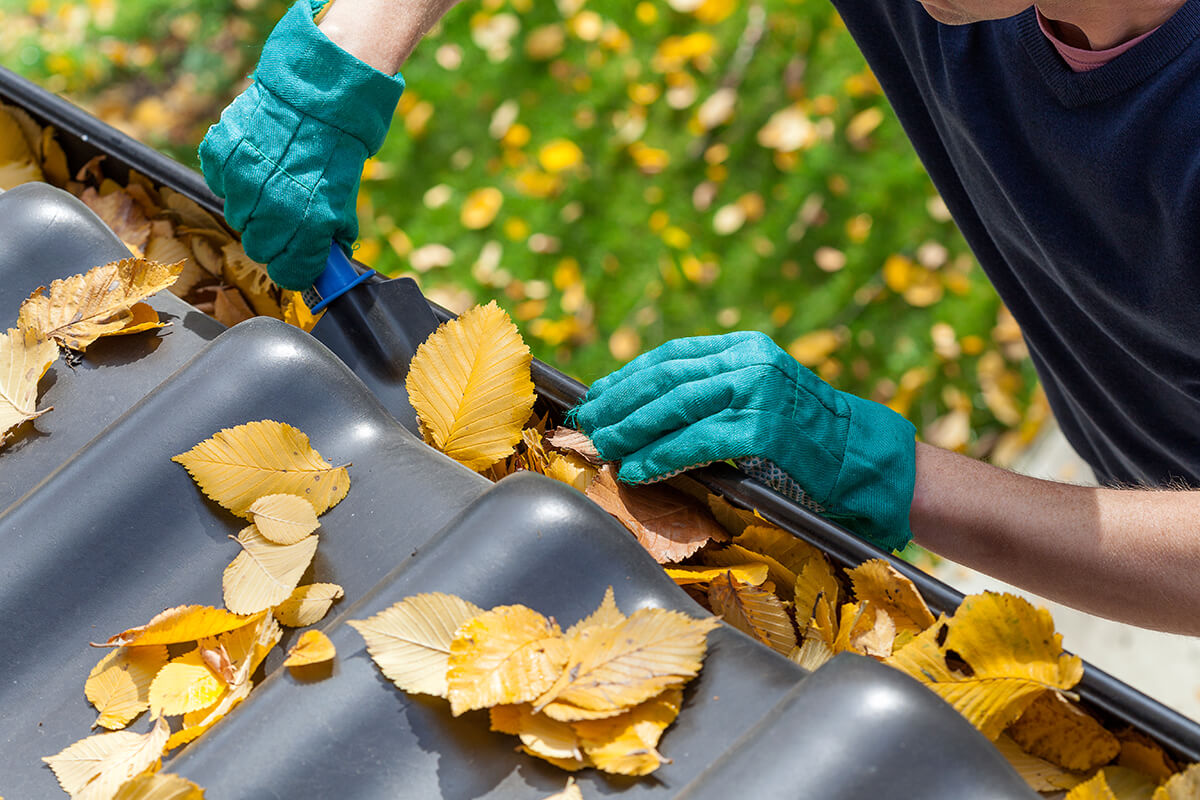
Gutters are key to protecting your home from water damage, but they can develop issues over time. Some problems may seem minor at first but can quickly cause serious damage if left untreated. Identifying these common gutter problems early allows you to take action before they lead to costly repairs.
- Clogged Gutters
Clogged gutters are one of the most common problems homeowners face. Leaves, twigs, dirt, and even bird nests can block the flow of water. When water can’t move through the gutter, it overflows and spills down your siding or into your foundation.
Clogs often form near downspouts and in corners where debris collects. You might notice water spilling over the side or a gutter that’s pulling away from the roof due to extra weight. In winter, clogs can freeze and cause ice dams.
How to Fix It:
Use a small scoop or gloved hands to remove the debris from your gutters. A garden hose with a spray nozzle can flush out the remaining dirt. For safety, use a ladder stabilizer and never overreach. Consider installing gutter guards to prevent future clogs.
- Sagging Gutters
Sagging gutters usually happen when they’re carrying too much weight. This could be from water that isn’t draining or debris that’s built up. Over time, the fasteners loosen and the gutter sags away from the roofline.
You’ll notice this when the gutter looks uneven or pulls away from the fascia. A sagging section won’t drain properly, which causes water to pool and eventually spill out. Left untreated, sagging gutters may fall off completely.
How to Fix It:
Start by clearing any debris and checking for standing water. Then inspect the hangers or brackets—tighten or replace them if they’re loose or damaged. For sections that continue to sag, add additional hangers spaced 2–3 feet apart for better support.
- Leaky Gutters
Leaks usually happen at the joints where two gutter sections connect or where fasteners have punctured the gutter. Over time, rust or sealant wear can create small openings. You might not notice the leak until water stains show on the siding.
In heavy rain, the leaks become more obvious. Water escapes through holes and runs down the outside of your home. If left alone, this can lead to wood rot, paint peeling, or mould near the leak point.
How to Fix It:
Clean the inside of the gutter and dry the area around the leak. Apply a waterproof gutter sealant or patch kit over the hole. For larger leaks, it may be better to replace the joint or section entirely. Reseal all joints once a year to prevent future leaks.
- Poor Gutter Pitch
Gutters need a slight slope toward the downspout to keep water moving. If the pitch is too flat or angled the wrong way, water won’t drain. Instead, it pools and puts stress on the gutter material.
You’ll know there’s a pitch issue if you see standing water in the gutter long after it rains. The water might even attract insects or cause rust. It also adds weight that can bend or damage the gutter over time.
How to Fix It:
Use a level to check the slope—gutters should drop about ¼ inch for every 10 feet. If needed, adjust the hangers to raise or lower sections of the gutter. Refasten securely once the proper slope is set. This ensures water drains efficiently without pooling.
- Detached Downspouts
Downspouts direct water from the gutter to the ground and away from your home. However, when they come loose or disconnect, water spills near your foundation. This can lead to soil erosion, basement leaks, or even cracked foundations.
You might notice water pooling at the base of your home after rain. The downspout may also be missing an elbow or extender that helps guide water further away. Detached parts should be fixed quickly to prevent serious damage.
How to Fix It:
Reattach the downspout using screws or brackets. Make sure it fits snugly with the gutter outlet. Add an extender or splash block at the bottom to move water at least 4–6 feet from your foundation. Secure all parts to prevent them from shifting again.
- Ice Dams in Winter
In colder months, ice dams form when heat from your attic melts snow on the roof, which then refreezes in the gutter. This blocks drainage and causes water to back up under the shingles. The result can be roof leaks and water damage inside your home.
You’ll notice thick ice hanging over the edge of the roof or icicles forming along the gutters. Ice dams can loosen shingles and damage the roof deck. Preventing them is much easier than fixing the water damage they cause.
How to Fix It:
Improve attic insulation and ventilation to keep the roof cold. Use roof rakes to remove snow buildup near the edges. You can also install heated gutter cables to melt ice before it forms dams. Avoid breaking ice with sharp tools as it may damage the gutter.
- Rust and Corrosion
Metal gutters, especially older ones, are prone to rust over time. This often starts as small patches and spreads when exposed to standing water. Corrosion weakens the gutter and creates holes that lead to leaks.
Rust may appear as orange or brown stains on the inside or underside of your gutter. If left unchecked, it eats through the metal and ruins the gutter’s structure. This type of damage spreads quickly once it starts.
How to Fix It:
Use a wire brush to remove rust spots and sand the surface smooth. Apply a rust-inhibiting primer followed by outdoor metal paint. If the corrosion is extensive, replace the damaged section. Regular cleaning helps prevent moisture from sitting too long.
- Pests Nesting in Gutters
Birds, insects, and rodents often find clogged or sheltered gutters a great place to nest. These nests block water flow and add extra weight. They also create messes and introduce unwanted pests near your home.
You might see birds flying to the same spot repeatedly or hear scratching sounds. Bees and wasps can also build hives in the corners. In some cases, pests chew through parts of the roof or fascia to get inside.
How to Fix It:
Clear all debris from the gutters and look for signs of nests. Carefully remove them and wash the area with water. Install mesh gutter guards to block pests while still allowing water to drain. If the infestation is serious, consider professional removal.
- Improper Gutter Installation
Poor installation can cause several long-term issues. If the gutters are not aligned properly, too few hangers are used, or the slope is off, they won’t perform correctly. This leads to leaks, sagging, and water damage.
You may notice water overflowing even when the gutter is clean. There might also be gaps between sections or joints that constantly leak. These are signs that the system wasn’t installed with the right technique.
How to Fix It:
Inspect the entire gutter run to check spacing, alignment, and slope. Reinstall any misaligned sections and add additional brackets where needed. If the whole system is faulty, it may be best to replace it and have a professional handle the job.
- Overflow During Heavy Rain
Even clean gutters can overflow during a downpour if they’re too small or if downspouts can’t handle the volume. Water spills over the edge and lands near your home’s foundation. This defeats the purpose of the gutter system.
You’ll see water pouring over the edge during storms and possibly splashing dirt onto your siding. Overflowing gutters can also cause erosion in your landscaping. This is especially a concern for homes with steep roofs.
How to Fix It:
Check that your gutters and downspouts are the right size for your roof area. Add more downspouts if water isn’t draining fast enough. You can also install splash guards or larger-capacity gutters for better control during heavy rain.
Keep Your Gutters Working Year-Round
Regular gutter maintenance helps avoid almost all of these issues. Inspect your system at least twice a year—in spring and fall. Look for signs of clogging, leaks, and misalignment. Make small repairs right away before they become costly problems.
Gutters protect your roof, siding, and foundation from water damage. That’s why keeping them clean and functional is worth the effort. With proper care, your gutter system can last for decades and help you avoid major home repairs.
Protect Your Home with Expert Gutter Repair in Calgary by Valiant Exteriors
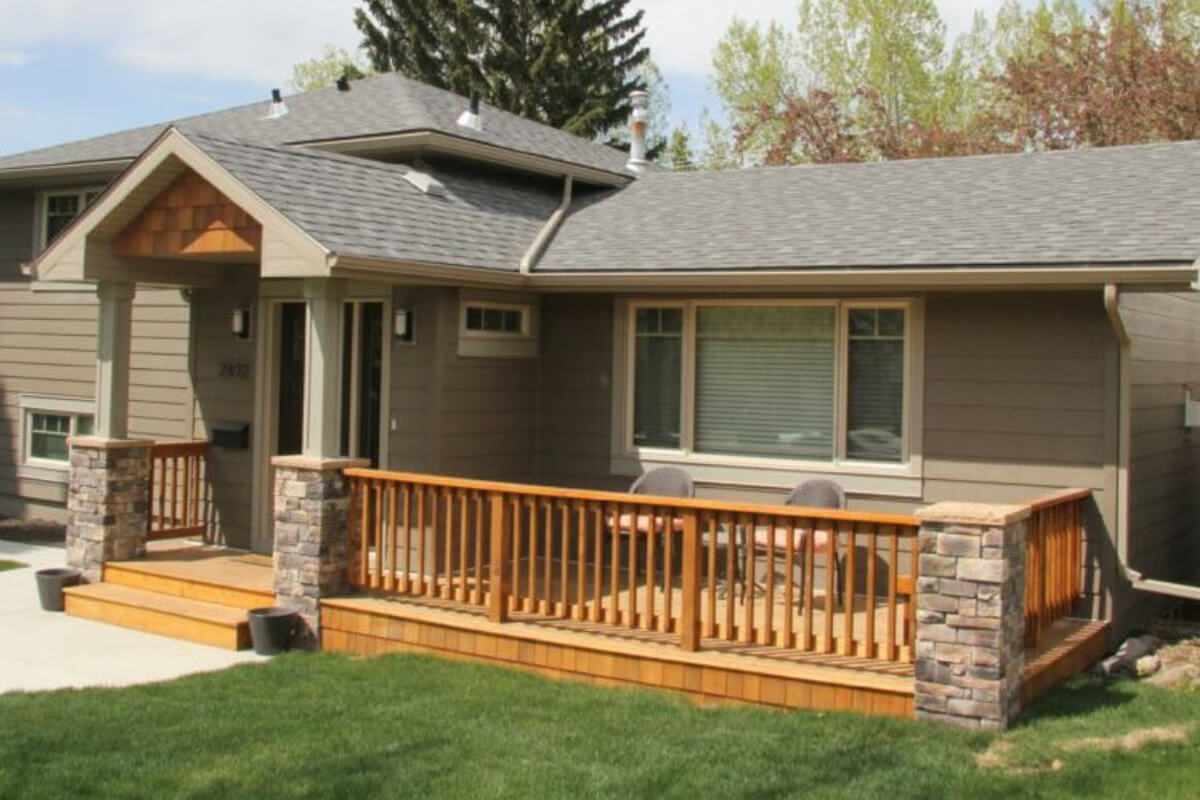
If your gutters are leaking, sagging, or overflowing, it’s time to get expert help. Valiant Exteriors provides reliable and professional gutter repair in Calgary for homeowners who want lasting protection from water damage. Our team can assess the condition of your gutters, fix the problem, and recommend ways to prevent future issues. Whether you need a quick repair or a full replacement, we’ll get the job done right the first time.
Call now at (403) 829-1661 to book your gutter inspection with Valiant Exteriors today and give your home the defense it deserves.