

Of all the systems protecting your Calgary home, few are as overlooked—or as critical—as the connection between your gutters and siding. Even the best siding installation can be compromised in just a few seasons if your gutters aren’t working properly. Many homeowners miss the early warning signs, only noticing the issue once serious and expensive damage sets in.
Recognizing the subtle clues of gutter-related damage is key to preventing long-term problems. From staining and warping to mould growth and foundation trouble, your home’s exterior often shows signs before the damage becomes extensive. Knowing what to watch for helps you take action at the right time, avoid costly repairs, and ensure your home stays protected through Calgary’s demanding climate.
 How Climate Turns Gutters Against Siding
 How Climate Turns Gutters Against Siding
Your home’s gutter system is the first defense against water damage, which matters even more in Calgary. The city’s weather—ranging from intense summer rain to fast chinook thaws—puts serious pressure on your gutters. If they can’t keep up, your siding often takes the hit first.
Gutters are meant to direct rain and melted snow away from your home’s foundation and walls. But when they clog, leak, or freeze, water ends up overflowing and running along or behind the siding. This constant moisture weakens the materials, causing stains, rot, and damage that may require costly repairs from siding professionals.
Vertical “Tiger Striping” Stains on Siding
Dark streaks running down your home are more than just an eyesore—they’re a warning sign. Often called “tiger stripes,” these marks show that your gutters are leaking or overflowing. When water isn’t properly directed away, it carries dirt and debris down your siding. Over time, this buildup stains the surface and causes lasting damage. Fixing the gutter issue early helps keep your siding clean and prevents bigger problems later.
- What to Look For
Look for persistent black or brown vertical lines on your siding, typically located directly below the roofline. These stains often originate from gutter seams or corners and won’t wash away easily with rain.
- Causes
Staining on your siding often comes from gutters that overflow regularly. When water spills over the edge, it brings down grit from asphalt shingles, along with dust, pollen, and other debris from your roof. As this dirty water runs down the siding, it sticks to the surface and leaves a residue. Over time, that residue builds up and causes noticeable stains.
Calgary summers often bring sudden, heavy rainstorms that release large amounts of water fast. If your gutters are even partly blocked by leaves or winter debris, they can’t handle the flow. This causes water to spill over the sides, leaving dark streaks down your siding—known as tiger striping. Keeping your gutters clear is the simplest way to avoid this common problem.
Peeling or Bubbling Paint
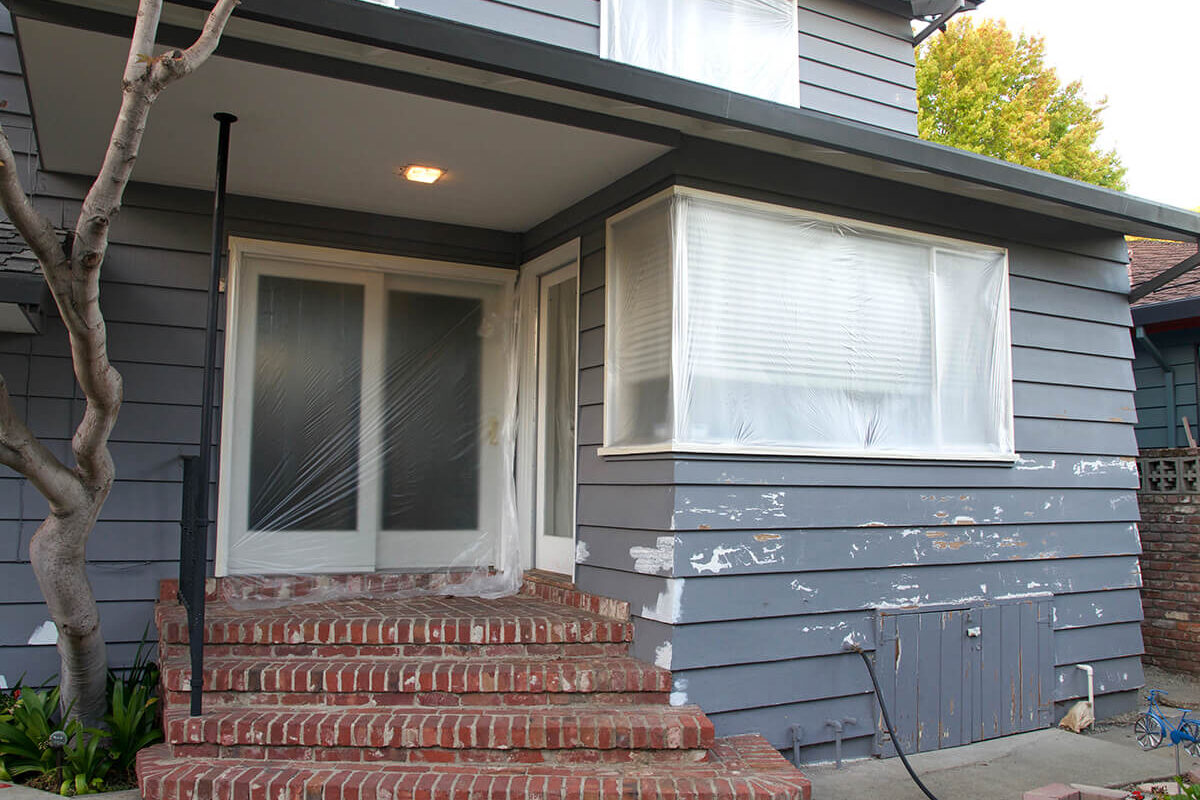
Paint acts as a protective layer for your siding, but it only works when the surface underneath stays dry. If you notice bubbling or peeling paint on your siding or trim near the roof, it’s a warning sign. This usually means moisture is getting in from above and starting to cause damage.
- What to Look For
Start by checking the top two or three rows of siding just below the roofline. Also, look at the fascia board where the gutter is mounted. If you notice paint that is cracking, blistering, or peeling, this could be a sign of water damage caused by faulty gutters.
- Causes
This is a common sign that water has made its way behind the siding. When gutters leak or overflow, water runs down the wall and soaks into the wood or composite siding. As the material absorbs moisture, it eventually tries to dry out. During this process, water vapour pushes against the paint from underneath. This pressure breaks the paint’s bond, causing it to bubble and peel. Experienced siding contractors recognize this as a warning of a more serious moisture problem.
Soft Spots and Warped Siding
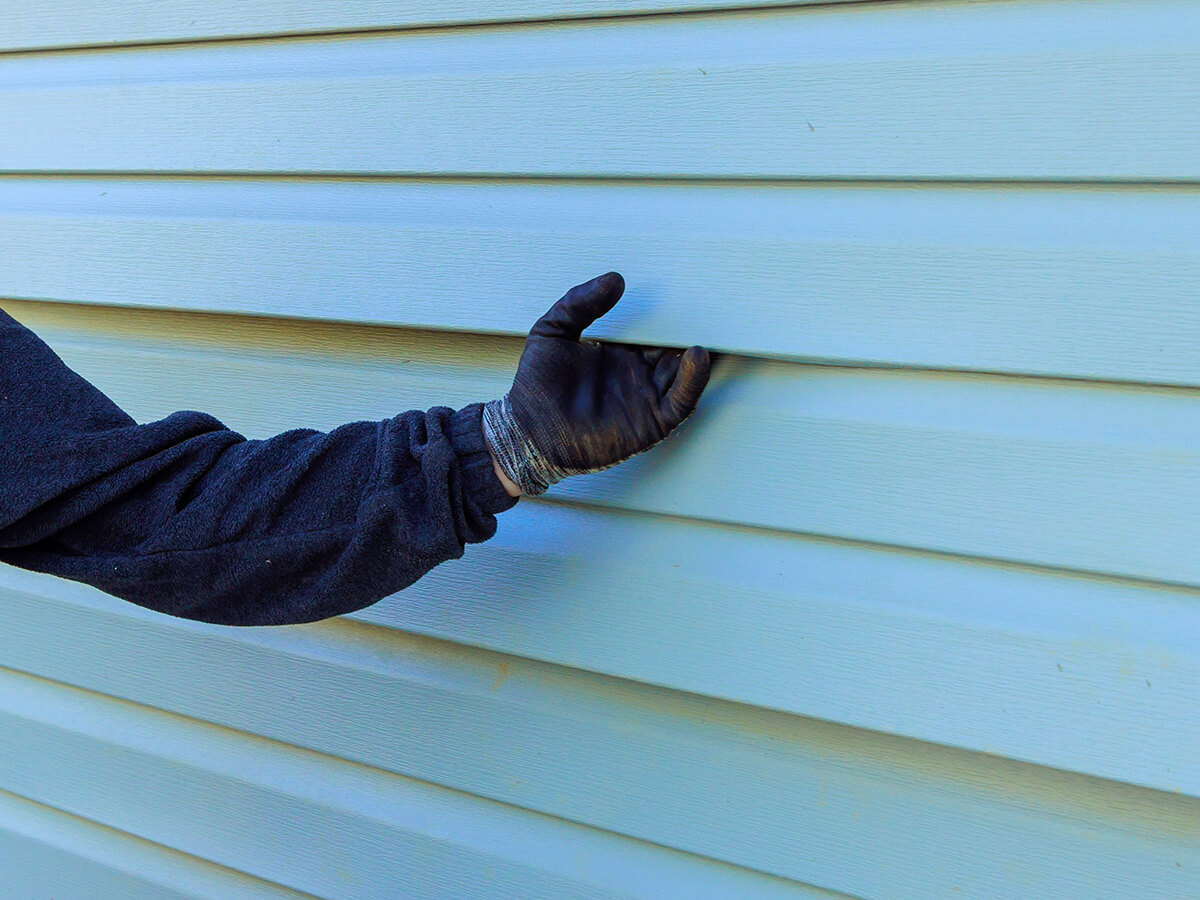
Some of the worst damage isn’t always visible—it’s what you can feel. If your siding feels soft to the touch or looks warped, moisture has likely already gotten in. This kind of problem can spread quickly, so it’s important to act fast before it affects more of your home’s structure.
- What to Look For
Press gently on the siding panels near the roofline and at the bottom of the walls. Pay close attention to any spots that feel soft, spongy, or give way more than other areas. These changes in texture can point to hidden moisture damage beneath the surface.
- Causes
Softness and warping in your siding often mean that water has been soaking into the material for some time. This usually happens when a leaky gutter allows water to run down the side of your home repeatedly. Over time, the moisture seeps past the siding and into the wood sheathing underneath. The constant dampness creates the perfect conditions for fungal growth. As the fungus spreads, it breaks down the wood fibres and weakens the panels, leading to serious structural damage.
Mold or Mildew Growth
Mould or mildew on your siding usually means there’s a moisture problem. These growths aren’t just unpleasant—they can affect your health and show that an area of your home stays damp. In many cases, clogged or broken gutters are the reason moisture keeps building up.
- What to Look For
Look for patches of green, black, or grey growth that seem fuzzy or slimy. These may be signs of algae, mould, or mildew. They often form in damp areas that don’t dry easily. Shaded parts of your home are most at risk, especially the north-facing walls that get little sunlight. Regular checks in these spots can help you catch problems early.
- Causes
Mould and mildew grow quickly when there’s constant moisture. Leaky or overflowing gutters keep the siding wet, giving them exactly what they need. As water builds up, it creates the perfect surface for airborne spores to land and spread across your home’s exterior.
Calgary’s climate is generally dry, but the conditions right around your home can be much different. When gutters leak or overflow, water often pools near the siding—especially in shaded areas. This trapped moisture creates a humid environment that mould thrives in. Even during dry summer months, these damp spots can lead to mould growth if not addressed.
Gaps Between Siding Panels
Your siding is meant to create a tight, protective seal around your home. If you see gaps between the panels or notice sections pulling away from the wall, it’s more than just a cosmetic issue. These changes suggest that moisture or structural problems are starting to impact the underlying framework of your home.
- What to Look For
Stand back from your house and look at the horizontal lines of the siding, especially near the roof. Look for any panels that are sagging, showing gaps, or seem to be detached from the wall behind them.
- Causes
This problem often begins when water from a faulty gutter seeps behind the siding. That water reaches the wall sheathing—the layer that supports and holds the siding in place. Over time, the sheathing begins to rot and lose its strength. As it weakens, the nails or fasteners can no longer hold the siding properly. This leads to panels sagging or pulling away, which many siding contractors consider a serious issue that requires immediate repair.
Ice damming is a major cause of this problem in the Calgary area. When an ice dam forms, it pushes melting snow and water up under your shingles and directly onto the wall sheathing. This hidden water intrusion causes widespread rot, leading to siding failure that is often only discovered much later.
Sagging or Detached Gutters
Sometimes the most obvious sign is the gutter itself. A gutter that is visibly sagging, bowing, or pulling away from the house is a system that has already failed. This is not just a cosmetic issue; it’s a guarantee that water is not being managed correctly.
- What to Look For
Start by checking your gutter from the ground. The line should appear straight and sit tightly against the fascia board. If you see it sagging in the middle or pulling away from the house, there’s likely a problem. These issues often mean the gutter is clogged, overloaded, or coming loose. Catching this early can help you avoid water damage to your siding and foundation.
- Causes
Gutters detach for one simple reason: they are overloaded. The combined weight of trapped debris, standing water, and heavy ice or snow becomes too much for the hangers to support. As the gutter pulls away from the fascia, it creates a direct channel for water to pour down the wall and behind the siding.
A single foot of heavy, wet snow in a gutter can weigh a significant amount, placing enormous strain on the system. This makes it essential to have a robust gutter system and to keep it clear before winter arrives.
Protect Your Home with Valiant Exteriors
Your siding and gutters work together to shield your home from water damage. When one part of the system fails, the other quickly follows. Catching these issues early can help you avoid major repairs and unnecessary costs later.
Minor signs like a small stain can quickly turn into serious damage if left unchecked. If you’ve spotted any of these problems on your home, it’s best to get a professional opinion right away. Call Valiant Exteriors at (403) 829-1661 for a full inspection. As trusted gutter specialists and siding contractors in Calgary, we’ll find the source of the issue and provide a reliable fix to protect your home for the long term.